
Angular End of Life - Dates and Lifecycle
Angular is Google's TypeScript-based framework for building web applications, the actively maintained successor to the original AngularJS, now used across over a million production sites.
Last updated 6 September 2026
14
Versions tracked
11
At EOL
3
Supported
All versions
| Version | Released | Active | Long-term Support (LTS) | Latest |
|---|---|---|---|---|
|
22
|
03 Jun 2026 |
Active
|
Active
|
22.2.0
23 Sep 2026
|
|
21
|
19 Nov 2025 |
03 Jun 2026
Ended 3 months, 3 weeks ago
|
30 Jun 2027
Ends in 9 months, 1 week
|
21.2.24
23 Sep 2026
|
|
20
|
28 May 2025 |
19 Nov 2025
Ended 10 months, 1 week ago
|
28 Nov 2026
Ends in 2 months
|
20.3.32
23 Sep 2026
|
|
19
|
19 Nov 2024 |
28 May 2025
Ended 1 year, 4 months ago
|
19 May 2026
Ended 4 months, 1 week ago
|
19.2.25
02 Jun 2026
|
|
18
|
22 May 2024 |
19 Nov 2024
Ended 1 year, 10 months ago
|
21 Nov 2025
Ended 10 months, 1 week ago
|
18.2.14
10 Sep 2025
|
|
17
|
08 Nov 2023 |
08 May 2024
Ended 2 years, 4 months ago
|
15 May 2025
Ended 1 year, 4 months ago
|
17.3.12
17 Jul 2024
|
|
16
|
03 May 2023 |
08 Nov 2023
Ended 2 years, 10 months ago
|
08 Nov 2024
Ended 1 year, 10 months ago
|
16.2.12
02 Nov 2023
|
|
15
|
16 Nov 2022 |
03 May 2023
Ended 3 years, 4 months ago
|
18 May 2024
Ended 2 years, 4 months ago
|
15.2.10
04 Oct 2023
|
About Angular
"Angular" actually refers to two different frameworks with very different support statuses. AngularJS, the original v1.x framework, is a separate, long-retired project with its own end of life history. Modern Angular (v2 and later) is a complete rewrite in TypeScript and is still actively developed today, with a new major version shipping every six months. Confusing the two is common, and it matters, since AngularJS has been unsupported for years while modern Angular versions cycle through support on a predictable, ongoing schedule.
Angular Lifecycle Explained
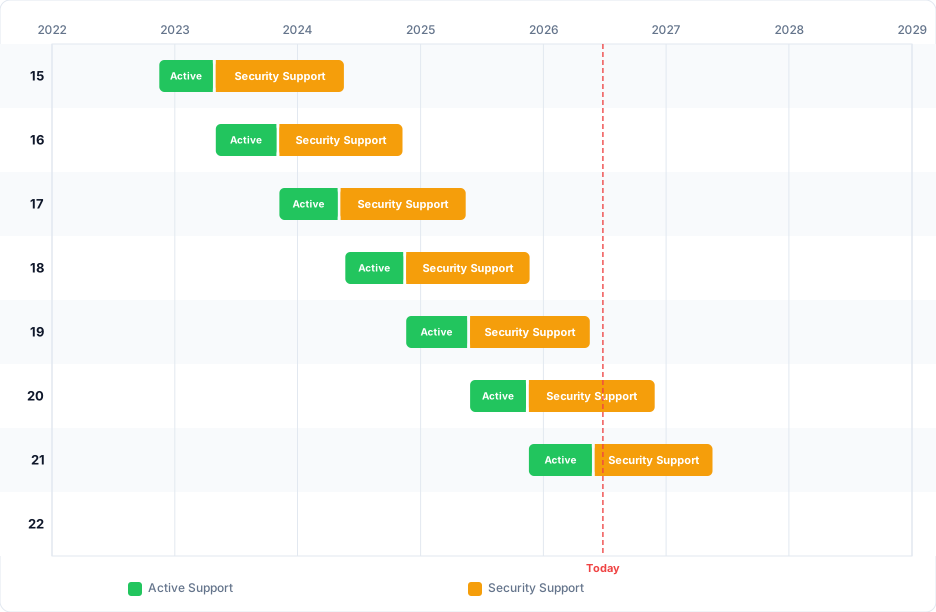
Every major version of modern Angular gets 18 months of total support, split into two phases. The first six months are Active Support, during which the version receives new features, bug fixes, and regular updates. The next twelve months are Long Term Support (LTS), during which only critical bugs and confirmed security vulnerabilities get patched, no new features. Unlike some frameworks that only promote alternating versions to LTS, every single Angular major version automatically moves into LTS once its active phase ends, there's no separate LTS-only release track to track.
Google ships a new major version roughly every six months, so at any given time there are typically two or three versions under some form of support, one in active support and one or two in LTS, with everything older already end of life. Once a version's 18-month window closes, Angular stops shipping any further updates for it, security patches included.
Worth noting separately: Protractor, Angular's original end-to-end testing tool, followed its own deprecation path independent of the framework's version lifecycle. The Angular team announced its retirement in August 2022, and Protractor reached its own end of life on August 31, 2023. Projects still relying on it for testing should treat it the same as any other end of life dependency, since it no longer receives updates regardless of which Angular version the application itself is running.
Frequently Asked Questions
Is Angular end of life?
No, not modern Angular. It's an actively developed framework with new major versions shipping every six months. What's actually end of life is AngularJS, the original v1.x version, which lost all official support in January 2022. If you're running AngularJS specifically, that's the version to be concerned about.
Is AngularJS end of life?
Yes, but that's a separate framework from modern Angular with its own history and support timeline. See our dedicated AngularJS page for the exact date and what to do if you're still running it.
Is Angular still relevant in 2026?
Yes. Angular remains one of the most widely used frontend frameworks, with active development from Google and a large ecosystem. Recent versions have introduced signals-based reactivity and zoneless change detection, which suggests continued, meaningful investment rather than a framework winding down.
Is Angular 19 LTS?
Angular 19 followed the same path every version does: six months of active support followed by a move into LTS. By 2026, Angular 19 has already exited its LTS window entirely and reached end of life, since each version's total support window is only 18 months from release.